

Evolving Addiction Treatment: Terminology and Policy Changes

Share
In recent years, the field of addiction treatment has undergone significant transformations, particularly regarding terminology and federal policies governing medication dispensing. These changes aim to reduce stigma, enhance patient access, and improve treatment outcomes for individuals battling substance use disorders.
Traditionally, the term “medication-assisted treatment” (MAT) has been used to describe the integration of medications with counseling and behavioral therapies in treating substance use disorders. However, this terminology has faced criticism for implying that medications are merely supplementary rather than essential to treatment. Consequently, there has been a shift to the term “medications for addiction treatment” (MAT), emphasizing the central role of medications in recovery. This shift aims to reduce stigma and recognize the effectiveness of pharmacological interventions in addiction treatment (SAMHSA, 2024).
Methadone, a long-standing medication for opioid use disorder (OUD), has traditionally been dispensed through opioid treatment programs (OTPs) with stringent regulations, often requiring daily clinic visits. The COVID-19 pandemic prompted temporary policy adjustments to reduce in-person interactions, allowing for increased take-home doses of methadone. Recognizing the benefits of these changes, SAMHSA issued a final rule in February 2024, making several flexibilities permanent (SAMHSA, 2024).
Key Changes in Federal Policy
Expanded Take-Home Doses: OTPs can now dispense up to 28 days of take-home methadone doses for stable patients and up to 14 days for less stable patients. This policy aims to enhance treatment accessibility and patient autonomy.
Telehealth Integration: The new regulations permit the use of telehealth for initiating buprenorphine treatment, eliminating the previous requirement for an in-person evaluation. This change is expected to increase access to treatment, particularly in underserved areas.
Role Expansion for Healthcare Providers: The final rule allows physician assistants (PAs) and nurse practitioners (NPs) to order the dispensing of methadone in OTPs, broadening the range of health care professionals who can participate in addiction treatment.
Implications for Addiction Treatment Providers
Adoption of Updated Terminology: Embracing the term “medications for addiction treatment” can help reduce stigma and reflect a more accurate understanding of the role of medications in treating substance use disorders.
Integration of Telehealth Services: Incorporating telehealth into treatment protocols can expand access to care, especially for patients in remote or underserved regions.
Policy Compliance and Training: OTPs and healthcare providers must update their practices to align with the new federal regulations, including training staff on the expanded roles and responsibilities.
The shift from medication-assisted treatment to medications for addiction treatment and recent federal policy changes represent a progressive step towards a more inclusive and accessible approach to addiction treatment. By reducing stigma, expanding access through telehealth, and broadening the scope of practice for health care providers, these changes hold the potential to significantly improve outcomes for individuals seeking recovery from substance use.
References
Morse, A. (2024, February 13). New federal rule allows PAs at OTPs to order methadone. AAPA.https://www.aapa.org/news-central/2024/02/new-federal-rule-allows-pas-at-otps-to-order-methadone/
Steimel, S. (2024, February 23). HHS releases 2024 final rule on regulations for opioid treatment. Psychiatry Advisor. https://www.psychiatryadvisor.com/news/hhs-opioid-treatment-2024-final-rule/
SAMHSA proposes update to federal rules to expand access to opioid use disorder treatment and help close gap in care (2022, December 13). HHS.gov. https://www.hhs.gov/about/news/2022/12/13/samhsa-proposes-update-federal-rules-expand-access-opioid-use-disorder-treatment-help-close-gap-in-care.html
Medications, counseling, and related conditions (2024, March 28). Substance Abuse and Mental Health Services Administration (SAMHSA). https://www.samhsa.gov/medications-substance-use-disorders/medications-counseling-related-conditions
About Me

Pete Nielsen is the President & Chief Executive Officer for the California Consortium of Addiction Programs and Professionals (CCAPP), CCAPP Credentialing, CCAPP Education Institute, and the National Behavioral Health Association of Providers (NBHAP). CCAPP is the largest statewide consortium of addiction programs and professionals, and the only one representing all modalities of substance use disorder treatment programs. NBHAP is the leading and unifying voice of addiction-focused treatment programs nationally. Mr. Nielsen has worked in the substance use disorders field for 20 years. In addition to association management, he brings to the table experience as an interventionist, family recovery specialist, counselor, administrator, and educator, with positions including campus director, academic dean, and instructor.
Mr. Nielsen is the secretary of the International Certification and Reciprocity Consortium and the publisher for Counselor magazine. He is a nationally known speaker and writer published in numerous industry-specific magazines. Mr. Nielsen holds a Master of Science in Counseling Psychology and a Bachelor of Science in Business Management.



Current Issue
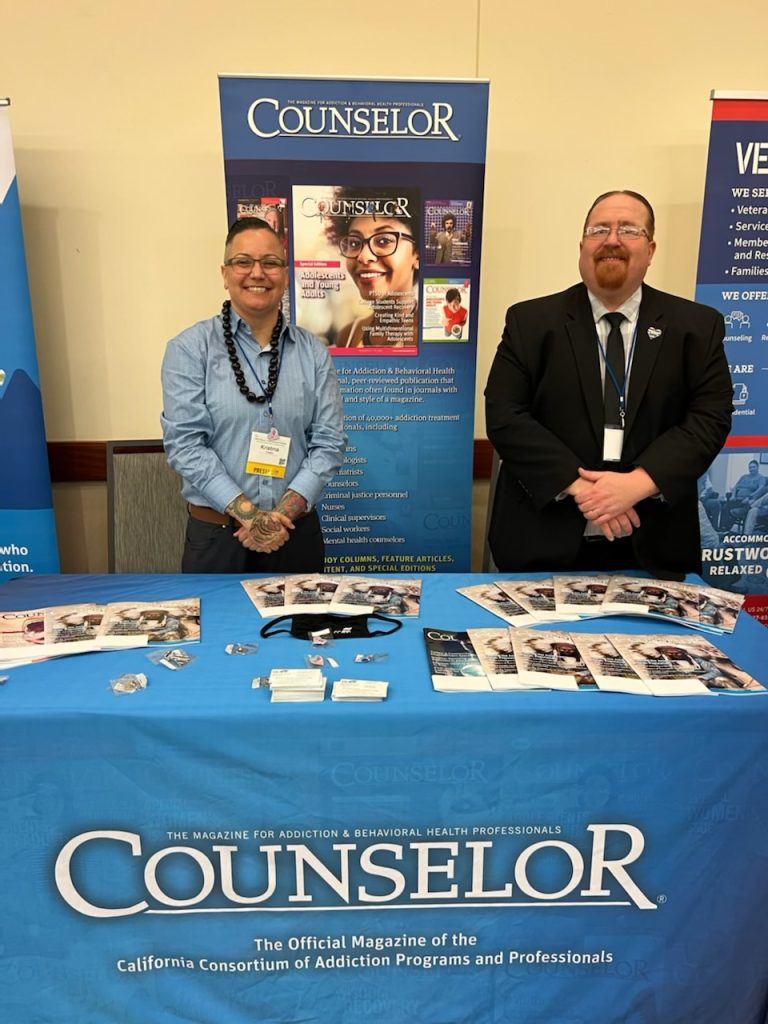

 Counselor Magazine is the official publication of the California Association of Addiction Programs and Professionals (CCAPP). Counselor offers online continuing education, article archives, subscription deals, and article submission guidelines. It has been serving the addiction field for more than thirty years.
For more information on CCAPP’s many programs, certifications, and career paths, please visit ccapp.us.