
- The Free Dictionary suggest that God is “A being conceived as the perfect, omnipotent, omniscient originator and rules of the universe” (2017). The Merriam-Webster dictionary says, “The Being perfect in power, wisdom, and goodness who is worshipped as creator and ruler of the universe” (2017). So, I ask myself, where did they get these theological definitions from? Well, they got them from what traditional religions have said and believed.
- Judaism teaches two aspects of God: the unknowable and the revealed God who created everything and interacts with creation.
- Christianity agrees with Judaism, but goes on to teach God as the Trinity: Father (Creator), Son (Redeemer), and the Holy Spirit (Sustainer).
- Islam suggests that God is the one and only: He begetteth not, nor is He begotten.
- Buddhism is more fluid and suggests that the spiritual life seeks to alleviate any distress. It neither denies nor accepts a creator and goes on to further suggest that questions on the origin of the earth are worthless!
- Hinduism is extremely complex and comprehensive, incorporating all the above theories, but is dependent upon the geographical tradition found in the many parts of India.
“That we are able to do good is of God, but that we actually do it is of ourselves. That we are able to make a good use of speech comes from God; but that we do actually make this good use of speech proceeds from ourselves. That we are able to think a good thought comes from God, but that we actually think a good thought proceeds from ourselves” (2012, p. 51).
About Me
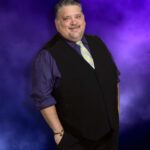
Larry Hearn is a seasoned SUD counselor, licensed Religious Science Practitioner, and a committed advocate for healing and personal transformation. Armed with a Social Model Studies Certificate from the CCAPP Academy (formerly known as the CAARR Institute), education from Modesto Junior College, and certification from CCAPP, Larry boasts a robust 24-year background in addiction counseling. As a member of the California Coalition of Certifying Organizations (CCCO), he played an active role in shaping the California Code of Ethics and Sanctions Matrix.
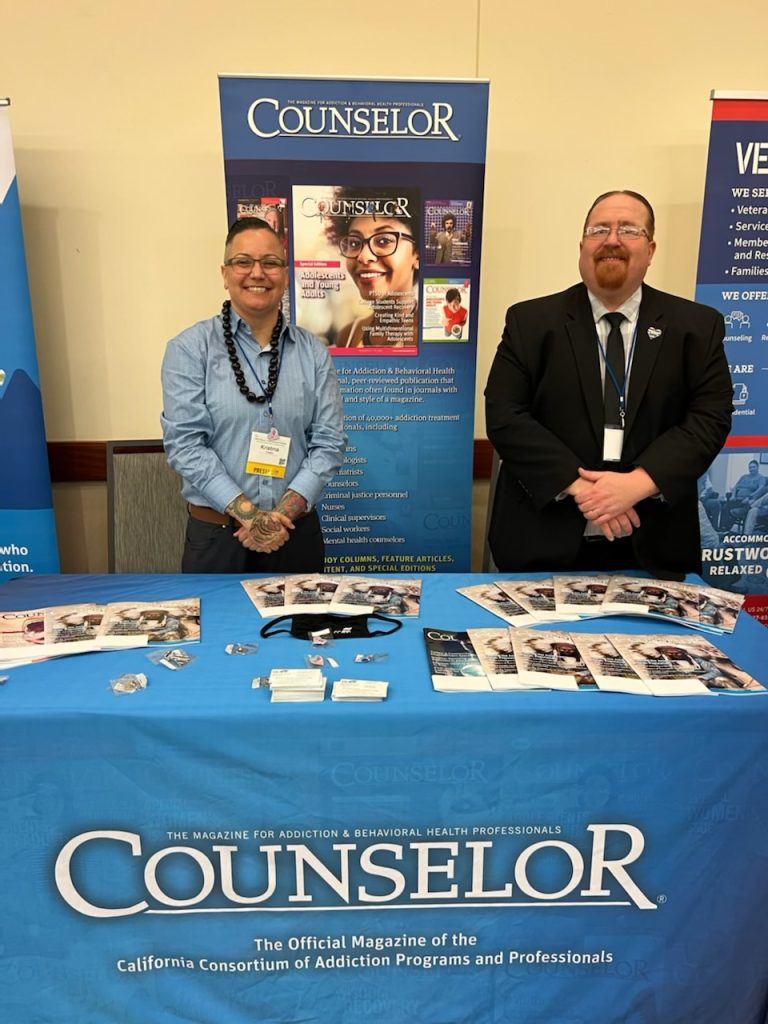
Larry currently serves as Supervising Editor for Counselor Magazine and Media & Infrastructure Manager for the California Consortium of Addiction Programs and Professionals (CCAPP), where he combines his clinical insight with media and educational strategy to uplift the profession and support the workforce.
His passion extends to facilitating treatment and education groups, grief circles, and individual counseling, creating a secure and supportive environment for individuals to navigate recovery, grief, and emotional trauma. He enjoys training and mentoring SUD counselors. In his capacity as a licensed Religious Science Practitioner, he seamlessly integrates therapeutic and spiritual modalities, guiding individuals on a journey toward enduring recovery and inner peace. Beyond addiction counseling, Larry underscores the significance of grief healing and personal growth in his compassionate approach.