

Creating Inclusive Recovery Cities

Share

What is the background and foundations to the Inclusive Recovery Cities model?
Recovery is a global phenomenon, but it is very clear that while there are common features to what recovery looks like in different parts of the world, there are also notable differences in how recovery grows and spreads. The theory behind that is partly based on the idea of recovery capital (Granfield and Cloud, 1999) and its division into three component parts (Best and Laudet, 2010)—personal, social, and community components.
Personal capital is about the resources that the person can draw upon like resilience and self-esteem, but what matters is also the support networks around the person (social capital) and the availability and accessibility of resources in the community (community capital).
In the original paper about Inclusive Recovery Cities, Best and Colman (2018) identified some of the unique and innovative community assets that three European cities were drawing on to promote recovery and increase its salience and visibility within the community. The model is inclusive in the sense that it targets those at all stages of recovery, visible and hidden, affected others, and family members within an approach that embraces multiple pathways to recovery.
About Me
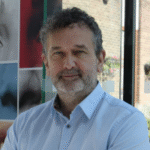
David Best, PhD, is professor and director of the Centre for Addiction Recovery Research (CARR) at Leeds Trinity University, honorary professor in the School of Regulation and Global Governance at The Australian National University, and honorary associate professor in Eastern Health Clinical School at Monash University in Melbourne. He is also president of the Recovery Outcomes Institute in Florida. Dr. Best has published more than 230 peer-reviewed papers in the areas of substance use, offending, and recovery as well as eight authored or edited books and special issues and more than seventy book chapters and technical reports. His primary area of work is around recovery and specifically recovery capital.



James Sadler is the founding CEO of DATUS, a peer-led lived experience recovery organization. Informed by lived experience of addiction and the criminal justice system, he designs services that put people and long-term outcomes ahead of performance metrics and contractual targets, enabling those most affected to lead design, delivery, and evaluation. He takes a whole systems view of addiction across substances and behaviors. Through Birmingham’s Inclusive Recovery City Hub (BIRCH) with KIKIT, he mobilizes volunteers and civic partners to reduce stigma and build recovery capital. James serves on the boards of Inclusive Recovery Cities (IRC UK) and CLERO, championing evidence-based, community-powered systems.
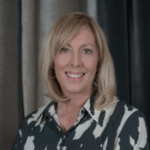
Dot Smith is CEO of Recovery Connections, a lived experience recovery organization based in Middlesbrough. She has worked in mental health and addiction services for over 40 years. Dot is a Winston Churchill Fellow, having researched collegiate recovery and started the UK’s first collegiate recovery program in 2018 at Teesside University. She is also a founding member of The College of Lived Experience Recovery Organisations.
Mulka Nisic is a research officer at the Centre for Hate Studies, University of Leicester, secretary general of the Recovered Users Network (RUN), and chair of the global gender committee within the World Federation Against Drugs. With decades of active engagement in drug policy and addiction recovery, she has contributed to EU and UN debates within the Civil Society Forum on Drugs (CSFD) and the Vienna NGO Committee on Drugs (VNGOC), advocating for gender-sensitive approaches to drug-related issues. Mulka also serves on the Scientific Advisory Council of the International Society of Substance Use Professionals (ISSUP) and the Global Women’s Network. Her current research examines the lived experiences of individuals in recovery and gender-specific recovery pathways across nine European countries, with a focus on recovery capital and the impact of stigma.
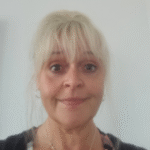
Jeni Langley is a languages graduate and has lived and worked in Russia, Japan, and Saudi Arabia, where she gained over 12 years’ experience in the education sector as a Level 7 DELTA-qualified EFL teacher, trainer, and manager. Jeni first became involved in the recovery sector due to her own lived experience, where she was first introduced to the UK SMART (Self-Management and Recovery Training) programs. She has been a trained SMART Recovery and SMART Family & Friends Facilitator since 2019. In 2021, she began working full-time for UK SMART Recovery as a Community Coordinator, looking after the northeast and Yorkshire regions and has been involved in the Inclusive Recovery Cities project since early 2024.

Eleanor Youdell has worked in the addiction recovery field for over 23 years, starting out in frontline roles at a residential rehab and for Double Impact, a Nottinghamshire-based LERO. Working in funding and development for the past 15 years, with a post-graduate diploma in charity resource management, she’s helped secure funding, build partnerships, and develop services that support people in recovery from drug, alcohol, and gambling addictions.
Current Issue

 Counselor Magazine is the official publication of the California Association of Addiction Programs and Professionals (CCAPP). Counselor offers online continuing education, article archives, subscription deals, and article submission guidelines. It has been serving the addiction field for more than thirty years.
For more information on CCAPP’s many programs, certifications, and career paths, please visit ccapp.us.