

Forensic Evaluators: Their History and Their Role in the Industry

Share
Psychological forensic evaluations have historically been dominated by psychiatrists and psychologists, with credentialing bodies specifically designed to serve these professionals by providing the necessary training and certification. As a result, over 200,000 licensed mental health counselors, marriage and family therapists, licensed clinical social workers, and substance abuse professionals in the United States have largely been excluded from this fascinating and potentially lucrative area of the mental health field (HHS, 2002; SAMHSA). According to SAMHSA (2020), there are more than 88,500 licensed psychologists and approximately 300 certified forensic psychologists in the United States (ABFP, 2020). SAMHSA’s data (2020) also indicates that there are about 96,000 mental health counselors, 26,258 clinically trained psychiatrists, 97,290 social workers, and 47,111 marriage and family therapists practicing nationwide.
About Me
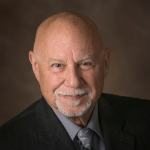
Dr. Norman Hoffman is the clinical director of counseling and psychotherapy centers in Ormond Beach and the founder and president of the National Board of Forensic Evaluators. His work in the field of organic brain damage led to The Hoffman Organicity Test. From the time of his work at the Hazleton/Nanticoke MH/MR Center in Pennsylvania, in 1976, Dr. Hoffman assisted in the development, training, and of child custody evaluations between the mental health center and the Luzerne/Wyoming County Circuit Court. He is an expert witness in the field of forensic mental health evaluations, child custody disputes, competency assessments, and other court related matters throughout the United States.


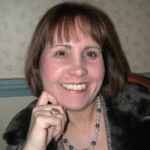
Dr. Valerie Hoffman is a psychotherapist who resides in Ormond Beach, Florida. She currently has a thriving private practice. In addition to her private practice, Dr. Hoffman also is the vice president of the National Board of Forensic Evaluators and serves on the Oral Examination committee to credential eligible candidates for certification as forensic mental health evaluators. She has written several programs for professionals in her field to receive continuing education credits. She has recently published a journal article based on forensic psychology.
Current Issue
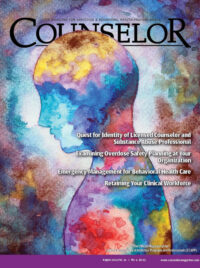
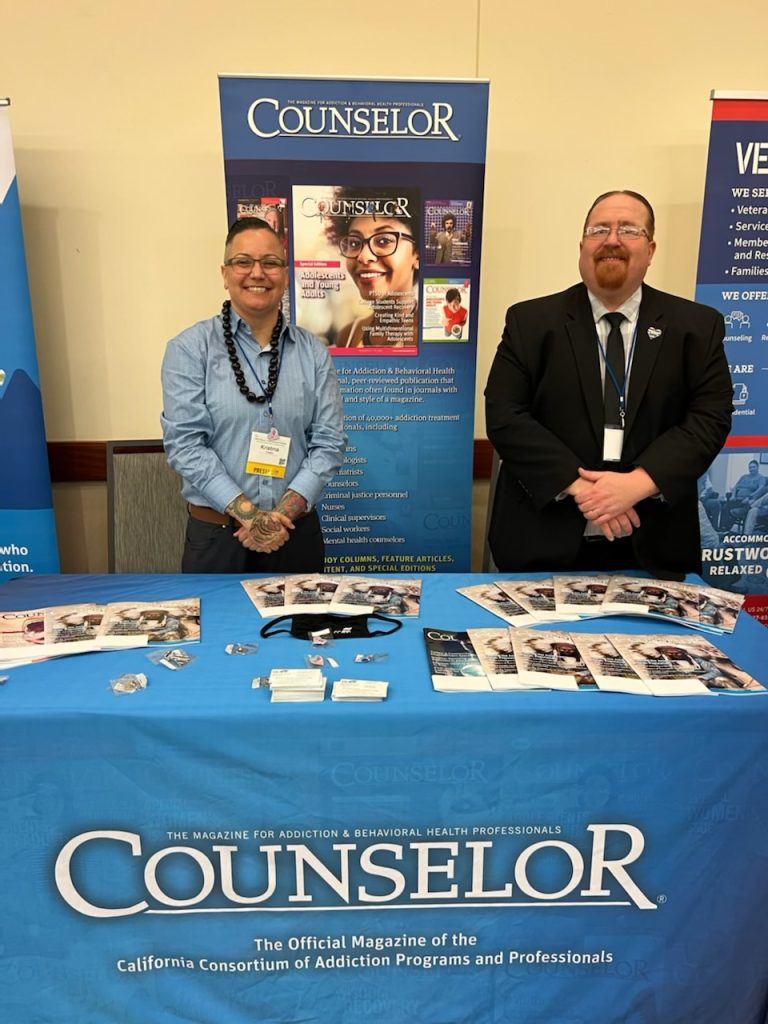

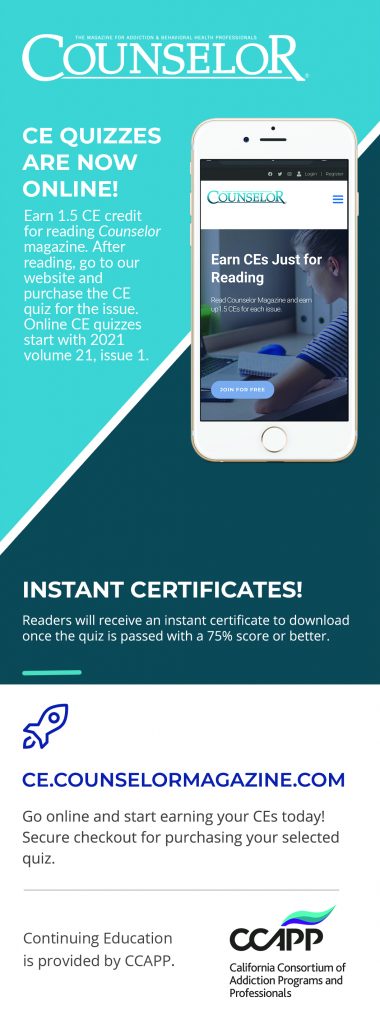
 Counselor Magazine is the official publication of the California Association of Addiction Programs and Professionals (CCAPP). Counselor offers online continuing education, article archives, subscription deals, and article submission guidelines. It has been serving the addiction field for more than thirty years.
For more information on CCAPP’s many programs, certifications, and career paths, please visit ccapp.us.